“Brazil rainfall” search results (700)

Brazilian Queen Manor Yellow Bourbon Coffee Flavor Description Processing Variety Features Introduction
Located in Sao Paulo state close to the Minas border mountain area, elevation of 1200 meters to 1400 meters, annual rainfall is abundant, up to 1800 mm above, but not heavy rain disaster, the annual average temperature is only 19 ℃, so the bean fruit growth is slightly slow, but the texture density is enough, although the yield is less, but the aroma flavor of the Brazilian plateau beans can not be compared, this estate to Bourbon mainly, even more than 110 years old Bourbon
2016-10-17 Brazilian Queen Manor Yellow Bourbon Coffee Flavor Description Treatment Variety Characteristics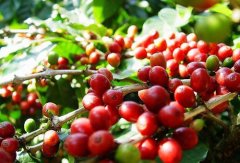
The price of coffee beans the price of coffee beans affected by the drought in Brazil is likely to return this year.
Brazil is the world's largest coffee producer, with 17 of the 21 states producing coffee. Brazilian coffee workers are collecting coffee beans on February 16 (Reporter Zheng Yunyang) since it was introduced into Europe via Italy, the smell of coffee has spread to every corner of the world. Production in Brazil, the world's largest coffee producer, has declined in recent years, with coffee prices rising 50% year on year in 2014.
2016-04-18 Coffee beans prices coffee Brazil drought unresolved global impact this year may again
Arabica Coffee Coffee Arabica
Many people have seen roasted coffee beans, but unless you have lived or traveled to coffee producing areas, you may not know coffee trees. The saplings are short-trimmed, but when they mature, they are 30 feet tall and covered with waxy leaves that grow symmetrically in dark green. The coffee fruit grows along the branches. After the white flowers are in full bloom and pollinated, the fruit takes a year to ripen. Fruiting is a continuous cycle, so flowers
2014-06-30 Arabica coffee beans boutique coffee beans roasted coffee beans
Coffee planting method Coffee Origin Colombian Coffee
The suitable climate of Colombian coffee provides a real natural pasture for coffee. Coffee trees in Colombia are mainly cultivated in the Andes, on steep slopes about 1300 meters above sea level, where the annual temperature is about 18 degrees Celsius, annual rainfall is 2000 to 3000 mm, latitude 1-11-15, longitude 72-78 the suitable climate of Colombia provides coffee.
2016-05-22 Coffee planting method Origin Columbia suitable Climate
Introduction to the planting situation of Arabica Coffee Manor
Arabica coffee trees grow between 900m and 2000 m above sea level; they are hardy, and the suitable growth temperature is 1524 ℃; they need more humidity, and the annual rainfall is not less than 1500 ml. At the same time, they also require higher cultivation techniques and conditions. Arabica coffee beans are mainly grown in South America (except Argentina and parts of Brazil), Central American countries and Africa.
2016-07-12 Rabbi card seed coffee origin introduction manor planting situation rabbi card species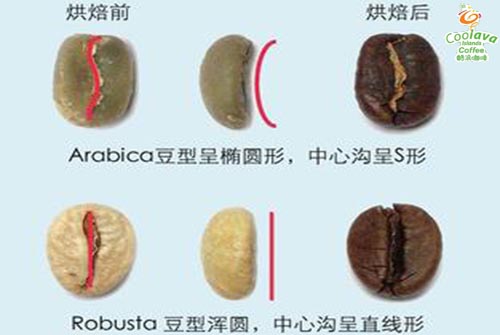
Boutique coffee beans: details of Arabica and the difference between Arabica and Robusta
Arabica Coffee Coffee Arabica many people have seen roasted coffee beans, but unless you have lived or traveled to coffee producing areas, you may not know coffee trees. The saplings are short-trimmed, but when they mature, they are 30 feet tall and covered with waxy leaves that grow symmetrically in dark green. The coffee fruit grows along the branches. After the white flowers are in full bloom and pollinated, the fruit takes a year to ripen.
2015-12-09 Boutique coffee beans rabbi details introduction and its Robes Booth difference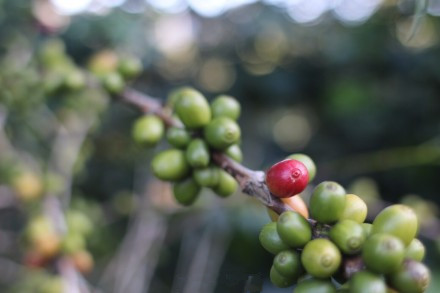
The price of coffee beans affected by drought in Brazil has risen above US $2 per pound.
Ctrip computer Technology (Shanghai) Co., Ltd.
2015-06-04 Ctrip computer Technology Shanghai Co. Ltd.
Coffee beans rising prices Brazil coffee beans rising prices coffee growing in coffee areas
Photo: Brazil is the world's largest coffee producer, with 17 of the 21 states producing coffee. Brazilian coffee workers are collecting coffee beans on February 16 (Reporter Zheng Yunyang) since it was introduced into Europe via Italy, the smell of coffee has spread to every corner of the world. Production in Brazil, the world's largest coffee producer, has declined in recent years, with coffee prices rising 50% year on year in 2014.
2016-04-26 Coffee beans price increase Brazil coffee region planting
Is it difficult to grow coffee trees? which places in China are the most suitable for growing coffee?
The choice of nursery land is close to water source, convenient for transportation, loam or sandy loam with loose and fertile soil, deep soil layer and good drainage, paddy field with PH value of 6mil 6.5 or early nursery land, and close to coffee garden. Turn over the depth of the ground by 0.20-0. 30 meters, after hoing and removing stones, the ridge moisture is 1.0-1.2 meters wide, about 10 meters long, and rot is applied on the soil moisture.
2016-10-17 Coffee trees are difficult to grow China those places suitable planting coffee strong seedlings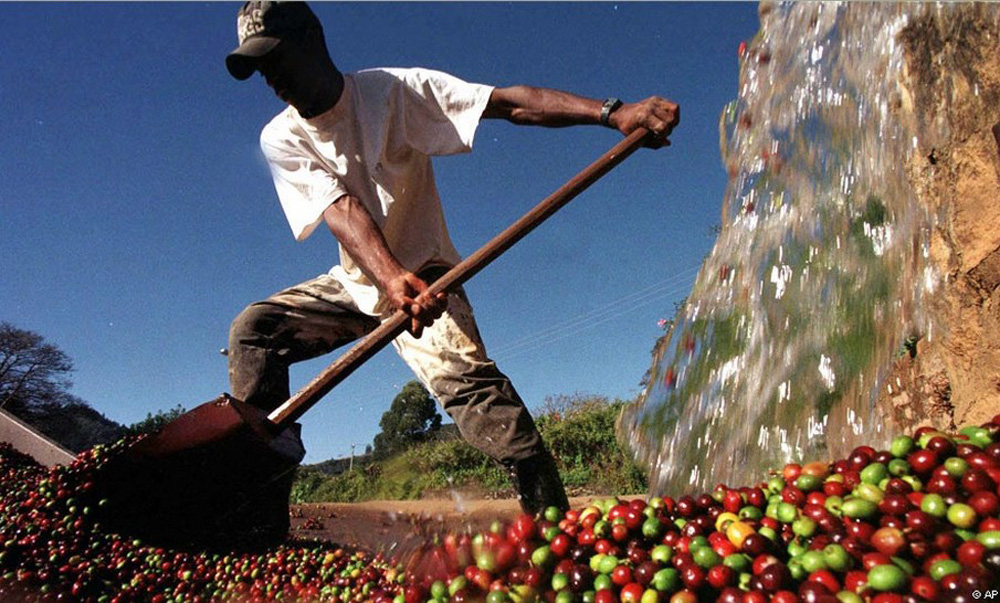
The global price of coffee beans affected by drought in Brazil is likely to rise by another 50% this year.
Photo: Brazil is the world's largest coffee producer, with 17 of the 21 states producing coffee. Brazilian coffee workers are collecting coffee beans on February 16 (Reporter Zheng Yunyang) since it was introduced into Europe via Italy, the smell of coffee has spread to every corner of the world. Production in Brazil, the world's largest coffee producer, has declined in recent years, with coffee prices rising 50% year on year in 2014.
2015-03-03 Brazil drought unresolved global impact coffee beans this year may rise again 50%
New York Futures: Arabica Coffee Futures turn up to fall
New YORK / London Nov 24 (Reuters)-Arabica coffee futures closed lower on Monday, rising more than 3% after being pushed up by short covering, sending Arabica coffee futures higher after investors sold off. Cocoa futures continued their rally, attracting buyers to enter the market after rising above the previous day's high, while raw sugar and white sugar futures fell as rainfall in Brazil boosted the growth prospects of crops next year. Feel on Thursday
2014-11-25 Coffee news coffee futures Arabica
About Coffee World Map
COFFEE WORLD MAP Most coffee production areas are located between the Tropic of Cancer, that is, 25 degrees north of the equator and 30 degrees south of the equator in the tropics or subtropics. Areas with an annual average temperature of 16-25 degrees Celsius, frost-free and rainfall of 1600-2000 mm. At present, there are more than 70 major coffee producing countries, and the Greater China is located at an altitude of 300-400 meters.
2014-09-10 Coffee belt coffee knowledge coffee encyclopedia coffee beans
Coffee trees grow around the equator.
Coffee trees grow in tropical or subtropical agricultural gardens centered around the equator and called coffee belts. Most of the coffee production is between the Tropic of Cancer, 25 degrees north of the tropical or subtropical equator and 30 degrees south of the equator. An area with an annual average temperature of 16-25 degrees Celsius, no Frosts Descent and rainfall of 1600-2000 mm. At present, coffee is mainly produced by seven countries.
2015-07-01 Coffee tree grow equator center coffee for the middle
The price of coffee soars in the international market
According to the latest report released by Barclays Capital analysts, despite the strong growth of coffee crops in Brazil, due to heavy rainfall, coffee production in Colombia, the world's main coffee producer, will be lower than expected for the fourth year in a row. Affected by this, the futures price of coffee delivered in December in the New York market soared 6.5% on the 10th to US $1.7365 per pound, the highest level since early August this year. Today
2014-04-27 International Market Coffee Price soaring according to Clay Capital analyst release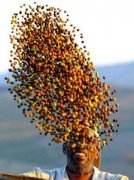
Coffee trees grow around the equator.
Coffee trees grow in tropical or subtropical agricultural gardens centered around the equator and called coffee belts. Most of the coffee production is between the Tropic of Cancer, 25 degrees north of the tropical or subtropical equator and 30 degrees south of the equator. An area with an annual average temperature of 16-25 degrees Celsius, no Frosts Descent and rainfall of 1600-2000 mm. At present, coffee is mainly produced by seven countries.
2015-05-29 Coffee tree grow equator center coffee for the middle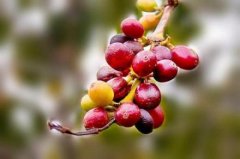
Coffee knowledge equator-centered coffee belt
Most of the coffee production is between the Tropic of Cancer, 25 degrees north of the tropical or subtropical equator and 30 degrees south of the equator. An area with an annual average temperature of 16-25 degrees Celsius, no Frosts Descent and rainfall of 1600-2000 mm. At present, coffee is mainly produced in more than 70 countries. The Big self is located at an altitude of 300,400m, sometimes between 2000 and 2500 meters above sea level.
2014-09-11 Coffee knowledge coffee belt coffee tree coffee encyclopedia
Coffee Basics Where is the coffee belt distributed
Coffee production occurs mostly between Tropic of Cancer, 25 degrees north of the equator and 30 degrees south of the equator in tropical or subtropical regions. Areas with an annual average temperature of 16-25 degrees Celsius, frost-free and rainfall of 1600-2000 mm. At present, there are more than 70 major coffee producing countries. The largest one is located at an altitude of 300-400 meters, and sometimes at an altitude of 2000-2500 meters.
2014-11-21 Coffee knowledge Coffee basics Coffee belt
Where is the basic knowledge of boutique coffee?
Coffee trees grow in tropical or subtropical agricultural gardens centered around the equator and called coffee belts. Most of the coffee production is between the Tropic of Cancer, 25 degrees north of the tropical or subtropical equator and 30 degrees south of the equator. An area with an annual average temperature of 16-25 degrees Celsius, no Frosts Descent and rainfall of 1600-2000 mm. At present, coffee is mainly produced by seven countries.
2015-03-04 Boutique coffee basic knowledge where tree grow equator center
The treatment of raw coffee beans Coffee trees bear fruit several times a year
The spread of coffee beans originated in Ethiopia, about 850 in the Christian era. It then spread throughout the Arabian Peninsula, and coffee was not really documented until the 900th year of the Christian era. At that time, the Yemenis carefully guarded the coffee in order to prohibit the outflow of coffee. However, some coffee saplings are smuggled to the Netherlands and planted in greenhouses. Coffee was not available in America until 1723.
2016-07-11 Coffee raw beans processing process one year several times coffee beans spread originated from
Coffee common sense what is a coffee belt (COFFEE WORLD MAP)
Coffee trees grow in tropical or subtropical agricultural gardens centered around the equator and called coffee belts. Most of the coffee production is between the Tropic of Cancer, 25 degrees north of the tropical or subtropical equator and 30 degrees south of the equator. An area with an annual average temperature of 16-25 degrees Celsius, no Frosts Descent and rainfall of 1600-2000 mm. At present, coffee is mainly produced by seven countries.
2014-11-11 Coffee knowledge coffee common sense coffee belt